Background
Food insecurity remains one of the main challenges in Malawi’s struggling economy. About four million people are at risk of hunger during the 2025-26 consumption period, representing 22 percent of the country’s projected population of 18.5 million, according to the Malawi Vulnerability Assessment Committee (MVAC) report issued in October 2025. Following the report, the President of Malawi, Professor Arthur Peter Mutharika declared a State of Disaster in 11 of the country’s 28 districts that are facing serious food insecurity because of the prolonged dry spell.
On November 9, 2025, the Malawi government launched the 2025-/2026 Lean Season Food Insecurity Response Programme (LS-FIRP) valued at K209.4 billion, as an urgent measure to cushion vulnerable households. However, during the launch, government indicated that the programme faced a significant K148 billion funding gap, thereby calling on other partners to join in supporting vulnerable households.
The Situation in Neno District
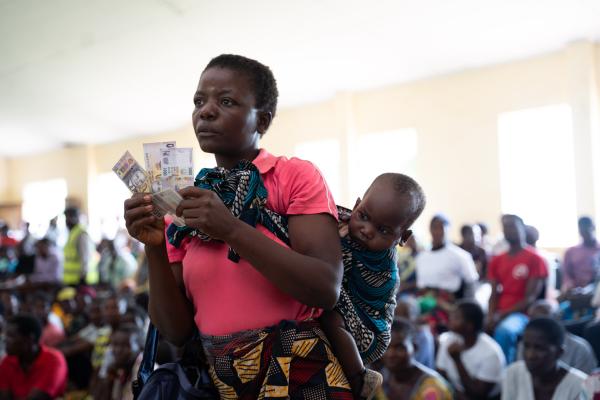
In Neno District, the gap remained a daily reality as the MVAC report revealed that an estimated 19,017 households in the district were food insecure and in need of urgent support. Out of these households, only 15,890 households benefited from the Government led 2025–26 LS-FIRP leaving the rest of the households still food insecure.
PIH’s Initiative
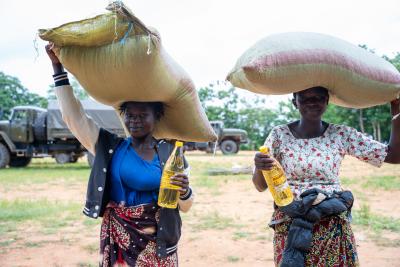
Program participants receive essential nutritional support and household supplies. This initiative is a core component of our holistic care model, designed to protect families from food insecurity during the lean season and ensure that every community member can thrive with dignity.
Joseph King Mizere
To mitigate the long-term impact of this recurring food crisis, Partners In Health (PIH) Malawi, as an organization rooted in strengthening health services in Neno District and across the country, joined the Malawi government in strengthening efforts towards addressing this crisis by considering urgent avenues of mobilizing resources to meet this gap. The organization mobilized 1.2 billion Malawi Kwacha (MK) to reach out to 3,000 households with food support for a period of three months, from January to March 2026
On 20th January 2026, PIH, alongside government and other stakeholders in Neno, launched its distribution of relief food items in the district to alleviate food insecurity and curtail related health issues. During the launch event, PIH Malawi Executive Director Basimenye Nhlema highlighted the organization’s collaboration with the government to address hunger. She explained that the district’s food shortages stem from climate-related challenges over the past three to four years, not from any lack of effort by residents.
“As an organization here in Neno, PIH exists to strengthen the health system. But we also understand that health is directly linked to food security, and that is why we decided to step in to support government and other partners in this regard. We are working with the Department of Disaster Management Affairs (DoDMA) and the district council in identifying the beneficiaries. We will continue working with all the other partners to ensure that community members are rescued from the food shortage in the district,” said Nhlema.
In his remarks the Chairperson for Neno District Council, Honorable Joseph Chiphaliwaliwali, applauded PIH Malawi for its ongoing support, which extends beyond healthcare to include housing and agricultural assistance. He recognized the organization’s vital role in saving lives. “Some of our relatives would have died if it were not for PIH. We are grateful for your continuous support,” he said whilst urging beneficiaries to use the aid responsibly.
As of 27 January 2026, PIH Malawi had finalized distributing the first phase of the relief items. Lonely Maganga, one of the beneficiaries from Willy Village, Group Village Chifenthe, said she has been unable to feed her family, but with this support from PIH, she will be able to have food—also giving her the energy to work and support her family.
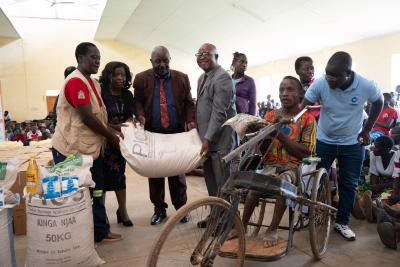
PIH teams lead the distribution effort, providing essential nutritional support to over 3,000 households. This initiative is a critical lifeline, ensuring food security and stability for thousands of families across the region.
Joseph King Mizere
Way Forward
The beneficiaries of the initiative are vulnerable individuals prioritized by the district council, including the elderly, people living with disabilities, and pregnant and lactating women. A package consisting of a 50 kg bag of maize, 3 kg of beans, 1 kg of salt, 1 liter of cooking oil, and MK15,000 in cash to cover maize milling costs will be given to each person for a period of three months from January to March 2026.