Imagine being six years old and waking up to a sharp prick of a needle every single day. Your small body, still growing and learning what it means to be alive in this world, must bear the weight of a condition you cannot fully understand, with many questions lingering in your mind. This is the reality that young diabetes warriors face as they must inject themselves with insulin just to stay alive, often without fully grasping why their bodies have betrayed them.
With 1.8 million young people under 20 worldwide living with Type 1 Diabetes, the need for awareness and early intervention has never been more urgent. Delayed diagnosis and limited access to care remain major barriers, but these can be addressed through sustained investment in awareness campaigns and treatment programs.
In an effort to combat this growing challenge, in 2023, Partners In Health (PIH) Malawi in collaboration with the Ministry of Health (MoH) and the Sonia Nabeta Foundation (SNF), with support from the World Diabetes Foundation (WDF), started hosting Type 1 Diabetes (T1D) camps with an aim of providing a supportive environment for education, skill development, and peer connection. These camps help the children learn how to manage their condition effectively, reduce feelings of isolation, and build confidence in handling their diabetes. Additionally, they promote mental and emotional well-being, foster independence, and create a sense of community among young people with diabetes.
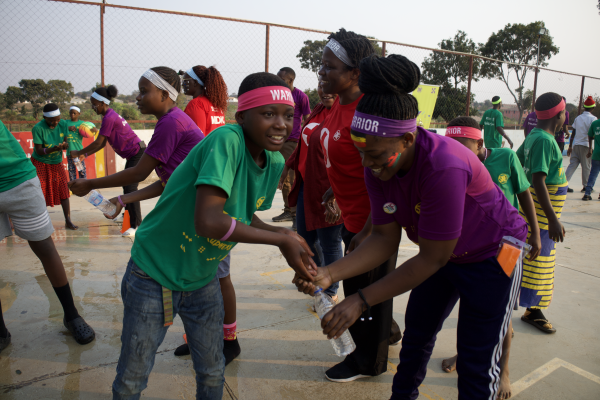
This year, the four-day T1D camp was held at Bambino Schools in Lilongwe from August 10th to 14th. Themed “Kudekha Camp,” the event brought together nearly 100 diabetes warriors aged 6 to 18 from districts including Mangochi, Machinga, Nkhotakota, Dowa, Ntcheu, and Lilongwe (Kamuzu Central Hospital, Bwaila District Hospital, and Kabudula Community Health Centre). This was the fourth time PIH had organized this vital initiative, which unites multidisciplinary teams from across the country to provide young warriors with clinical excellence, emotional support, and a platform to share experiences.
The Story of Never Njiwa
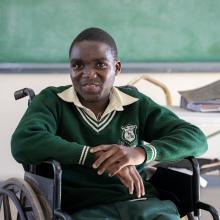
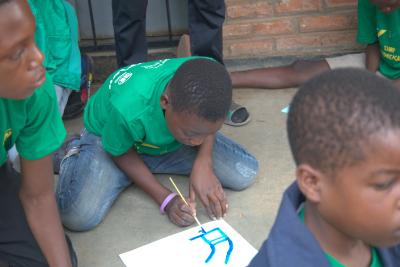
Among the warriors was Never Njiwa, a 14-year-old from Ndombo Village in Ntcheu, Traditional Authority Njolomole. Never is a Standard 7 student at Muluma Primary School and the third-born in a family of five. His journey with Type 1 diabetes began in 2023. Before his diagnosis, Never had been frequently falling ill, often diagnosed with malaria, but never truly recovered until a test at Ntcheu District Hospital confirmed he had T1D. Yet, questions about how he could have this condition at such a young age, especially with no family history, still lingered in his mind and that of his parents.
Before his diagnosis, his body would betray him unexpectedly, including losing consciousness while walking to school or even in the middle of a class. Despite this, he accepted his situation, treating it as part of normal life. He began visiting Ntcheu District Hospital for treatment, including insulin refills, and attended weekly support meetings with other young warriors to share experiences. From the time he learnt to manage his condition, Never had been injecting himself three times daily.
Nonetheless, one thing that haunts him is the fear of what might happen if he cannot access insulin. Never’s parents are subsistence farmers and cannot afford to buy insulin consistently from the pharmacy. This is why when insulin supplies are low at Ntcheu District Hospital, Never lives in fear of losing his life. “If we cannot access insulin from public health facilities, my family might never be able to buy it to keep me alive,” Never worried.
During the camp’s championship games, Never observed another warrior openly managing their blood sugar by checking levels, adjusting doses, then returning to play. He approached him and they started talking, sharing experiences, and laughing about things that had previously made them feel different and alone outside the camp. For Never, that was the turning point. “Through Kudekha T1D Camp, I have realized that I am not alone and it is not just a few of us in my district. We are many in this situation,” he said.
At the camp, he learned how to keep insulin safe and stay calm when managing his condition. He discovered how to check his blood sugar before meals and take corrective doses if needed. Most importantly, he connected with others who understood exactly what it meant to prick a finger, count carbohydrates, and manage daily routines. The mental health experts at the camp also taught him a vital lesson: “Be jovial, don’t expect the illness to simply vanish, but keep yourself in check because your life is in your own hands.” For Never, the highlight was not just one moment but the steady accumulation of lessons and the companionship of fellow warriors.
Partnership at the Core of the Camp
The T1D camp is an annual event that brings together clinical and support teams from across Malawi. PIH Malawi, SNF, and the Ministry of Health have collaborated over the years, refining how the model works in the local context. Having organized this camp for the fourth time now, the teams have developed a rhythm and a shared language of care that transcends institutional boundaries, focused entirely on empowering the young people involved. This year, PIH contributed extensive local clinical experience, while SNF brought its expertise in integrating clinical care with education, peer support, and psychosocial wellbeing.
For SNF Nurse Lead, Lusike Mugoya Micheal, who has led numerous diabetes camps across Africa, the most rewarding aspect was seeing continuity of care translating into ongoing relationships. She said PIH Malawi ensured that the same healthcare providers who understand these warriors, their families, and their living realities stayed involved through learning, participating, and building trust beyond the camp itself.
Micheal emphasized; “What stood out for me was seeing warriors return home knowing that the person they may meet at their next clinic visit is someone who has seen them beyond their diagnosis but also through playing, learning, building confidence, and managing their condition alongside peers.”
The SNF team did not just run a camp; they also handed over essential skills. During their stay, each warrior learned how to inject oneself safely, choose proper injection sites, pinch the skin, and rotate sites to prevent lipohypertrophy and ensure effective insulin absorption. They were also trained to check their blood glucose before meals, bedtime, upon waking up, and that whenever they felt unwell they should recording results in logbooks. On the other hand, the warriors also learned to recognize signs of hypoglycemia and hyperglycemia and how to correct them. The lessons were activity-based, incorporating drama, song, and dance to keep children engaged and ensure understanding.
The National Diabetes Nurse Educator at Kamuzu Central Hospital, Rita Banda, praised PIH Malawi for bringing the warriors together. She said such initiatives would not be possible without partners’ support given resource constraints often limiting the Ministry’s capacity to go beyond basic clinical care. “This camp uniquely integrated mental health professionals, clinical care, and peer support. This combination is rarely seen in NCD management. It has deepened these children’s understanding of their T1D. We applaud PIH Malawi for championing this multidisciplinary approach,” Banda said.
The shared experiences among worriers also deeply motivated them. Notably, two “warriors” that have excelled academically and earned university placements inspired others who doubted that living with T1D could allow them live a full normal life. Beyond peer support, the camp also equipped children with practical, life-saving skills. For instance, they learned the importance of regular exercise to maintain their health, but also the knowledge that insulin can remain effective outside a refrigerator for up to 28 days, a crucial insight in resource-limited settings where many of them came from.
PIH Malawi’s reflection of the camp
Each camp offers valuable lessons and opportunities to reflect on ongoing programs. The outcomes help in advocating for additional resources, such as the provision of HBA1c testing, essential for effective diabetes management. The results also underscore the importance of continuous professional development for healthcare workers and the need to incorporate nutrition and mental health services into comprehensive care for young warriors.
The PIH Malawi National PEN-Plus Clinician, Medson Boti, reflected on the camp’s progress: “After four years of hosting similar sessions, we can confidently say that the camp model has evolved into something extraordinary. We are not just gathering children for a few days but building a fearless community of young warriors who understand their bodies and can manage their condition with pride. What we teach them here are not just skills, they are the pillars of independence, and their response is a proof that this model must be scaled up to reach every child who needs it.”
Boti emphasized that good clinical care alone for T1D children is not enough as they also need knowledge, confidence, emotional support, peer connection, and practical skills to manage their diabetes daily. The camp provided a safe space where they could meet others living with the same condition from different locations across Malawi and realize they are not alone. Above all, they have learnt that diabetes does not have to define their future.
Way Forward
Beyond providing medical supplies like insulin and testing kits in health facilities, PIH Malawi will continue to strengthen the health system through mentorship on NCD management across the country.
Looking ahead, PIH will continue working towards a future where children attend school, play sports, pursue higher education, build careers, and dream boldly without T1D limiting their aspirations. It also hopes for stronger continuity of care where children return to health facilities where healthcare workers have the skills, supplies, and confidence to support them. Finally, it envisions families that are better equipped to respond to emergencies; and health systems that are increasingly capable of delivering comprehensive NCD care close to where people live.Bottom of Form
Join us in supporting children with T1D. Your donation and involvement can make a meaningful difference in their lives by providing education, resources, and hope. Together, we can help these children manage their condition, improve their quality of life, and build a supportive community. Your support is vital in creating a brighter future for children living with T1D.